Milton Keynes Glass
Choosing the Right Glass for Your Home: Laminated vs. Toughened Glass
When it comes to selecting the ideal glass for your home or construction project, understanding the differences between glass types is essential. Float glass is the foundation of most modern glass applications, but when it comes to safety and durability, laminated glass and toughened glass stand out. Both offer enhanced protection over standard glass, but they differ significantly in terms of strength, impact resistance, and safety features.


What is Float Glass?
Float glass, commonly known as standard or ordinary glass, is a widely used material in various applications, including windows, doors, and more. This type of glass is mass-produced and serves as the base for more advanced glass products, including laminated and toughened glass. Float glass is often used in windows located above 800mm from the floor, where additional safety measures, like toughened or laminated glass, are generally required.
Understanding Laminated Glass
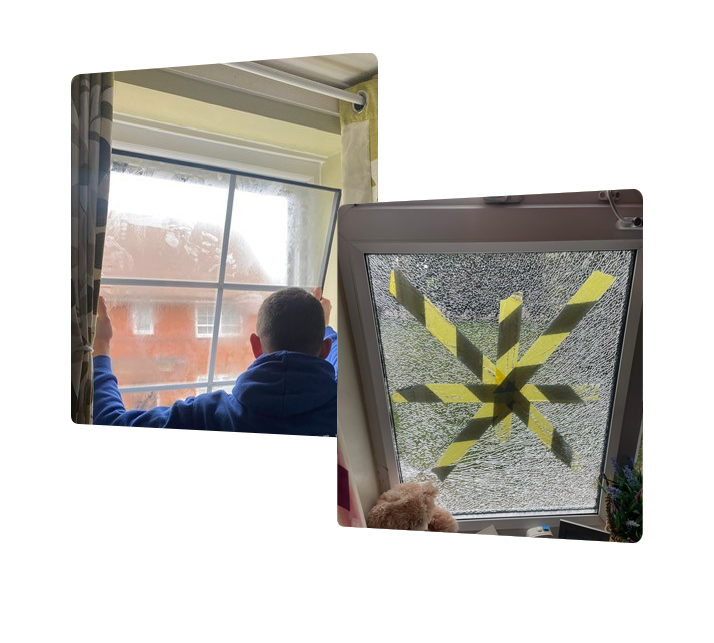
Laminated glass is often used in applications requiring enhanced safety and durability, such as vehicle windscreens. It consists of two or more layers of glass with a plastic interlayer (polyvinyl butyral) sandwiched between them. This interlayer bonds the glass together, ensuring that even when the glass breaks, it stays intact, preventing large or sharp shards from causing harm.
Benefits of Laminated Glass:
- Enhanced Safety: Laminated glass does not shatter into dangerous shards. The glass remains bonded to the plastic interlayer, offering greater protection in case of breakage.
- Security: It is more resistant to break-ins and can delay access for intruders, making it ideal for windows and doors.
- UV Protection: Laminated glass provides superior UV resistance, reducing fading of interior furnishings.
- Sound Insulation: This type of glass also offers better noise reduction, making it ideal for areas where quietness is valued.
- Variety of Applications: Laminated glass can be specially designed for added protection, including options like blast-resistant glass, fire-resistant glass, and bullet-resistant glass.
What is Toughened Glass?
Toughened glass, also known as tempered glass, is another type of safety glass, significantly stronger than both float and laminated glass. Through a specific manufacturing process involving heating and rapid cooling, toughened glass becomes up to five times stronger than standard glass of the same size and thickness.
Benefits of Toughened Glass:
- High Strength: Toughened glass is more resistant to impacts and can withstand higher forces without breaking.
- Safe Breakage: Unlike laminated glass, which remains intact upon shattering, toughened glass breaks into small, rounded pieces that are less likely to cause injury.
- Heat Resistance: Toughened glass is more heat-resistant than standard glass, withstanding temperature changes up to 250°C.
- Cost-Effective: It tends to be less expensive than laminated glass while still providing excellent safety benefits.
Toughened Glass vs. Laminated Glass: Which is Better?
The decision between laminated and toughened glass depends on your specific needs:
-
Security and Safety: Both types of glass offer improved safety over standard glass. Laminated glass remains intact when shattered, making it ideal for areas where glass failure could expose occupants to danger. Toughened glass, while stronger, shatters into small, less harmful pieces, making it an excellent choice for areas with high impact risks.
-
Impact Resistance: Toughened glass is more resistant to breakage, requiring greater force to shatter. However, when it does break, the area remains exposed. Laminated glass offers less resistance to impact but ensures that even when broken, the glass remains in place, offering continuous protection.
-
Applications: Laminated glass is often preferred for overhead glass structures or locations where UV protection and noise reduction are important. On the other hand, toughened glass is ideal for windows and doors where strength and heat resistance are critical.
-
Price: Toughened glass is typically the more cost-effective option and is often offered as standard in many applications. Laminated glass, while more expensive, provides added benefits like soundproofing and UV resistance.
Choose the Right Glass for Your Home
When choosing between laminated and toughened glass, consider the specific requirements of your project. If you're looking for superior safety and protection against break-ins or flying debris, laminated glass is an excellent choice. If you're focused on strength, heat resistance, and cost-effectiveness, toughened glass may be the better option.
At Milton Keynes Glass, we offer a wide range of glass options, including both laminated and toughened glass. For personalised advice and to learn more about the perfect glass solutions for your needs, give us a call at 01908 464572. Our team of experts is here to assist you every step of the way.